The Pre-1941 Triumph Motor Cycle Pages
From Peter Cornelius - Triumph Specialist for the VMCC - of Britain.
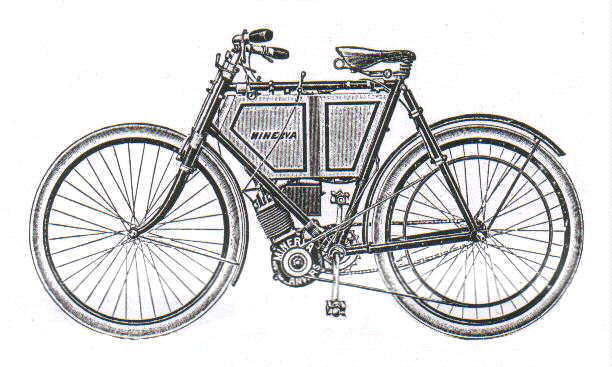
A 1902 Minerva
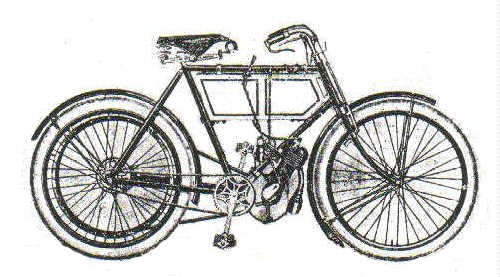
1903 Minerva-engined Triumph
|
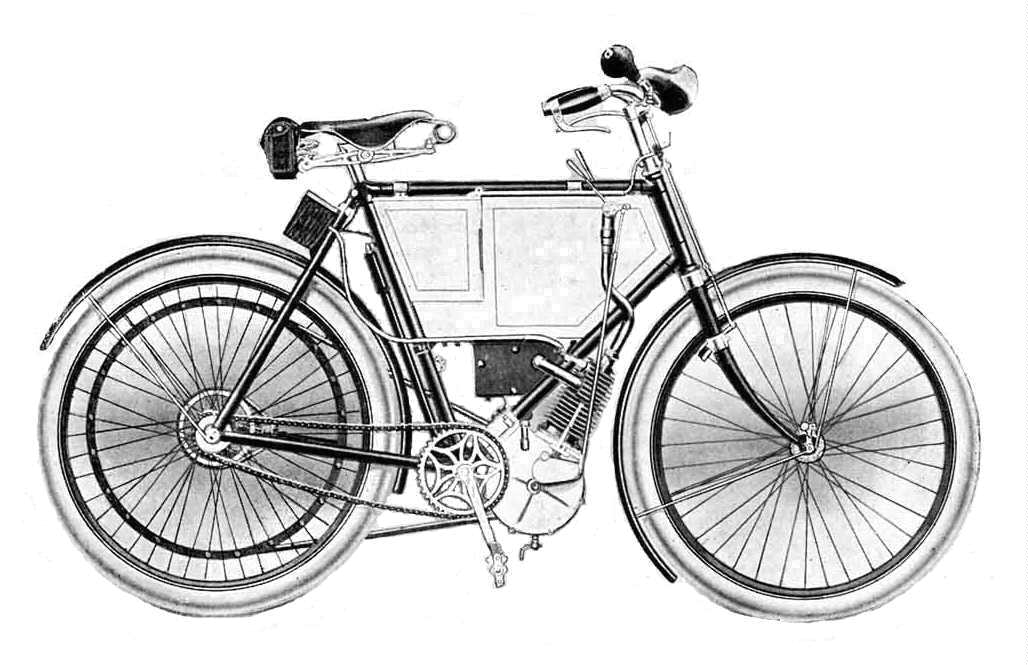
1903 JAP-engined Triumph
|
Brief Specifications and Variations
1902 - Minerva engine, 211cc 1½ hp. 62mm bore X 70mm stroke.
1903 - Minerva engine, 239cc 2hp. 66mm bore X 70mm stroke.
1903 - JAP engine, 293cc 2¼ hp. 70mm bore X 76mm stroke.
1904 - JAP engine, 293cc 2¼ hp. 70mm bore X 76mm stroke.
(Advertised as 2½ hp for 1904.)
1904 - Fafnir engine, 376cc 3hp. 75mm bore X 80mm stroke.
............There was also a 3hp Fafnir engined three-wheeled Forecar model
for 1904. (Passenger seat at the front.)
Triumph, along with other early manufacturers, were 'feeling
their way', trying different engines before deciding the best way to
go. Triumph knew by 1905!
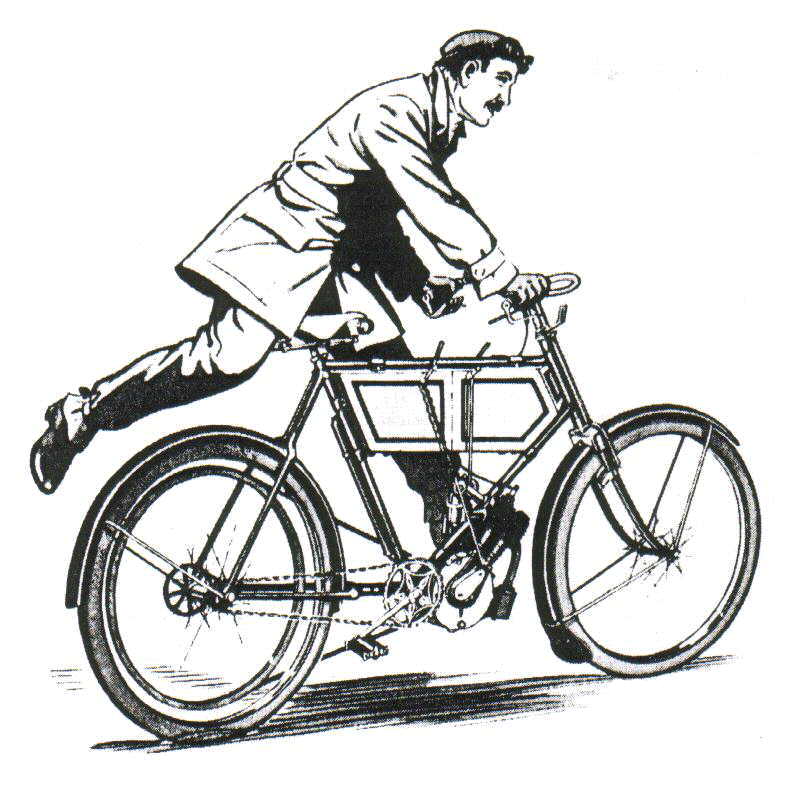
Belt drive, no gears. Pedal, or run and jump, and hope that the
controls were set so that the engine would start.
A 1902 advertisement for a machine bought earlier in the
year showed that for some people the engined cycle was too fast!
Any identification would have been a Triumph crest on the
headstock, as the cycles, and an "Imperial Triumph" transfer on the
fuel tank.
No roadside garages and fuel could be purchased from chemists.
If attempting to travel for any distance it was necessary to order
supplies ahead.
I have no idea of production or sales figures, but they set Triumph
off on the road to manufacture motor cycles more seriously.
I only have knowledge of Triumphs from this period surviving in
Australia and Britain.
For more details you really need to refer to the booklets I have
written covering the Early Models and Part 1 of The Triumph Story.
|
|